


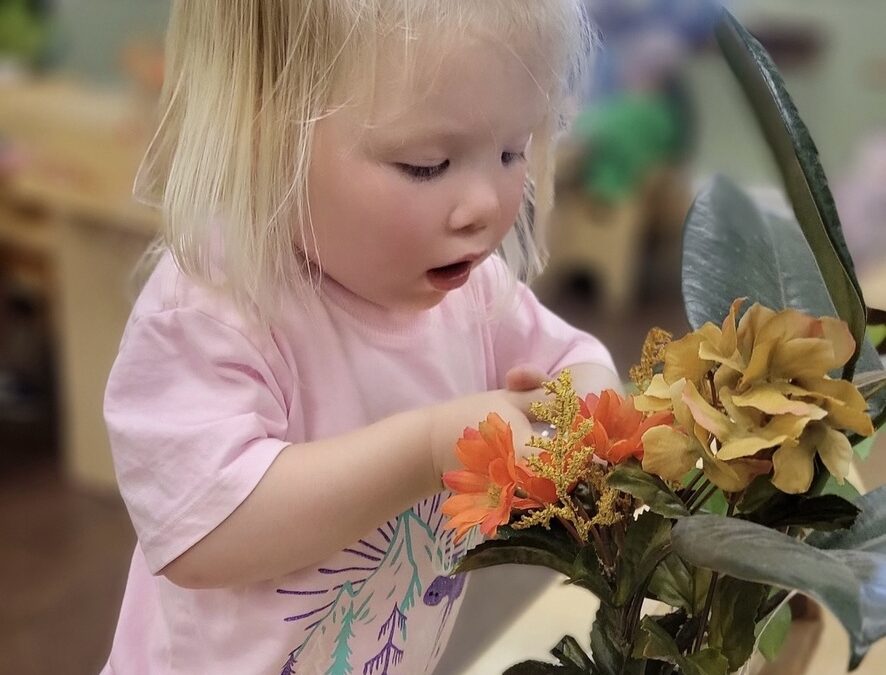
In our fast-paced world filled constant stimulation, helping children develop deep focus feels harder than ever. Yet Montessori classrooms are famous for something remarkable: young children who can concentrate on a single activity for 30, 45, or even 60+ minutes at a time — completely by choice.
This isn’t magic. It’s the result of a thoughtful approach to concentration that Maria Montessori discovered over a century ago. In this post, we’ll explore how you can nurture genuine focus in your child — without fighting against modern life.
Why Concentration Matters More Than Ever
Concentration is the foundation for almost every valuable skill. It supports academic success, emotional regulation, problem-solving, and even happiness. Research consistently shows that children with strong attention spans have better outcomes in school and life.
Montessori understood this deeply. She observed that when children are allowed to engage in meaningful work that matches their developmental needs, they enter a state of “normalized” behavior — calm, joyful, and deeply absorbed. This natural concentration isn’t forced through rewards. It develops organically when the environment and activities are right.
The Montessori Secret to Building Focus
Montessori’s approach rests on three pillars:
- The Prepared Environment A calm, orderly space with minimal distractions gives the brain freedom to focus. Cluttered rooms create cluttered minds.
- Freedom of Choice When children can choose activities that interest them, they engage more deeply than when work is assigned.
- Respect for the Child’s Sensitive Periods Montessori recognized that children have natural windows when they are especially ready to develop certain skills — including concentration.
The goal isn’t to make children sit still longer. It’s to create conditions where they want to dive deeply into meaningful work.
How to Nurture Concentration at Home
Here are practical ways to support your child’s ability to focus:
Start with the Right Activities Choose work that has a clear beginning, middle, and end. These “complete cycles of activity” train the brain to stay engaged:
- Practical Life activities (pouring, spooning, buttoning, cleaning)
- Sensorial materials (color sorting, matching textures, grading sizes)
- Reading time (picture books, early readers, novels)
Use the “One Activity at a Time” Rule In Montessori, children typically work with one material before returning it and choosing another. At home, this might mean limiting the number of toys available at once and encouraging your child to finish what they started.
Minimize Interruptions Protect your child’s focus. If they’re deeply engaged, resist the urge to comment, correct, or ask questions. Observation without interference is one of the hardest — and most powerful — Montessori practices for parents.
Incorporate Movement Montessori children aren’t required to sit at desks. They can move freely, which actually supports concentration for many kids. A balance between movement and calm work is key.
Outdoor and Nature Activities Exploring, running and climbing, gardening — These give children space for big movement, rich sensory experiences, and open-ended discovery that naturally strengthens concentration and calm. Natural sunlight is the best natural source of vitamin D, improves sleep quality, improves mood, and is linked to concentration.
Limit Screen Time Intentionally Screens provide fast dopamine hits that make slower, deeper work feel less appealing. Many Montessori families choose very limited or no screens in the early years, especially before age 6, to protect the development of sustained attention.
Age-by-Age Guide to Building Focus
18–30 Months
- Short practical life tasks (wiping a table, matching socks)
- Simple puzzles and stacking toys
- Picture books read together
- Goal: 5–15 minutes of focused play
2.5–4 Years
- More complex practical life (food prep, watering plants, folding laundry)
- Sensorial activities and early language materials
- Cursive tracing or knobbed puzzles
- Goal: 20–40 minutes
4–6 Years
- Important work around the house builds self-esteem
- Projects that combine multiple skills
- Goal: 45–90+ minutes of deep work
Common Challenges (and How to Handle Them)
- “My child can’t focus for more than a few minutes” Start small. Offer fewer choices and stay consistent. Concentration is a skill that strengthens with practice.
- Distractions at home Create a few “focus zones” — quiet corners with minimal visual noise.
- Resistance or restlessness This often means the activity isn’t the right match yet, or the child needs more movement. Trust the process and observe what captures their interest.
- Parental impatience It’s tempting to jump in and “help.” Practice stepping back. The greatest gift you can give is your quiet confidence in their ability.
The Beautiful Long-Term Results
Families who embrace Montessori’s concentration practices often notice:
- Longer, happier independent play
- Fewer meltdowns and power struggles
- Stronger problem-solving abilities
- Natural readiness for academics
- A calmer, more peaceful home atmosphere
Children who learn to concentrate young carry this superpower with them. They become teenagers and adults who can think deeply, work meaningfully, and resist endless distractions.
Your Challenge This Week
Pick one way to support focus in your home:
- Reduce the number of toys available by half and rotate them.
- Introduce one new practical life activity and demonstrate it slowly.
- Have a “no interruption” observation period while your child works.
Watch what happens. You might be surprised by how quickly your child rises to the opportunity.
Concentration isn’t something we force into children — it’s something we gently cultivate by respecting their natural drive to learn and master their world.
This approach, combined with a prepared environment and meaningful activities like cursive, gives children something truly valuable in today’s noisy world: the ability to focus deeply and find joy in doing so.